

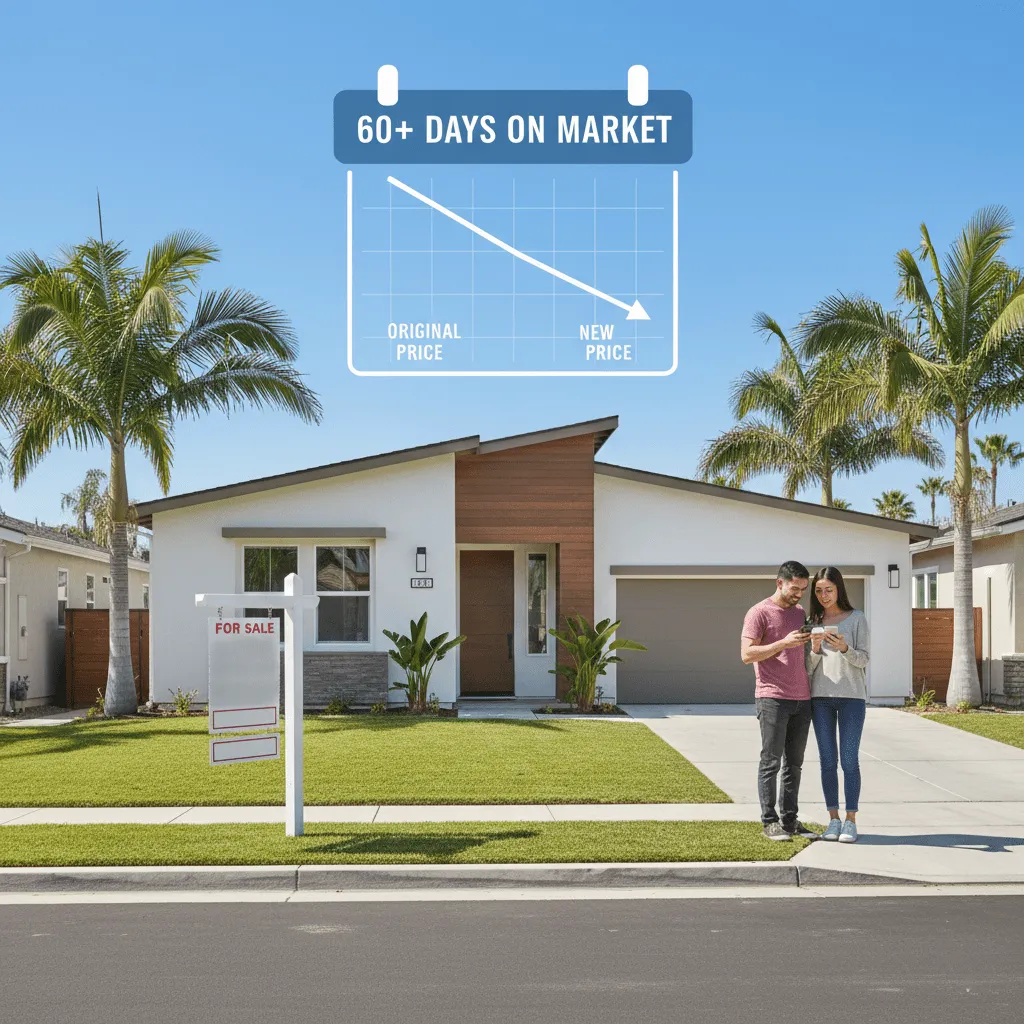
Home Sitting Over 60 Days? It’s Not the Market, It’s Your Price
Why Your Home Isn’t Selling And What the Data Actually Says
It’s every seller’s nightmare: your home hits the market, the listing photos look great, and your agent promises plenty of interest. But as the weeks go by, your inbox stays empty and your “For Sale” sign just… sits there.
If your home has been on the market for 60 days or more without a serious offer, it’s not just bad luck; it’s a pricing problem.
The market is constantly moving, and right now, buyers are sharper, faster, and more data-driven than ever before. When your listing lingers, it’s not a “slow market.” It’s a signal that you’re priced behind the curve.
Let’s jump into what that means and how you can fix it before your listing goes stale.
The Reality of Today’s Market: Buyers Know the Data Too
Gone are the days when buyers relied entirely on agents for market insight. Today’s buyers come armed with Zillow charts, Redfin alerts, and instant MLS notifications.
They know when a home has been sitting too long. They know when a property drops in price. And most importantly, they know when something is overpriced compared to recent sales.
That’s why, in today’s data-driven market, the best homes don’t just sell, they sell fast.
In many cities, homes that are priced correctly go under contract in 14 to 30 days. But once you cross that 60-day threshold, your listing starts sending the wrong message.
The 60-Day Rule: What It Really Means
When a home sits on the market for more than two months, buyers assume one of three things:
Something’s wrong with the property.
Maybe it needs repairs, or maybe it’s in a less desirable area.The seller is unrealistic.
Buyers assume you’re unwilling to negotiate or that you’re chasing an outdated price point.They can wait for you.
Longer days on market (DOM) give buyers leverage. They assume you’ll eventually drop the price, and they’ll just wait until you do.
That perception alone can reduce your negotiating power and make even a great home harder to sell.
How Market Timing Affects Buyer Psychology
In real estate, time on market is more than just a number; it’s a signal of demand and urgency.
Here’s what typically happens in the buyer’s mind:
First 15 Days: The listing is “fresh.” Buyers assume it’s priced right and worth seeing immediately.
30 to 45 Days: Interest begins to fade. Buyers assume the home might be overpriced or missing something.
60+ Days: The listing becomes “stale.” Many buyers don’t even click on it anymore.
That’s why strategic pricing in the first few weeks is so crucial. The longer your home sits, the less negotiating leverage you have and the more you risk chasing the market downward.
Why Sellers Often Overprice
Overpricing isn’t always intentional. In fact, most sellers genuinely believe they’re being fair. But several common factors lead to inflated listing prices:
1. Emotional Attachment
You’ve lived in your home for years, you’ve invested money, time, and memories. That makes it hard to view your home objectively. Emotional pricing often ignores what buyers are actually willing to pay.
2. Outdated Comparables
Many sellers (and even some agents) use old comps homes that sold months ago, before market shifts occurred. But real estate pricing changes rapidly, especially in fluctuating interest rate environments.
3. “Testing the Market” Mindset
Some sellers price high to “see what happens.” Unfortunately, this strategy almost always backfires. The longer your listing stays overpriced, the fewer serious buyers you attract and you lose your best window of visibility.
4. Ignoring Micro-Market Data
Every neighborhood, even within the same city, behaves differently. What’s true for one zip code or school district may not apply to another. Real pricing power comes from hyperlocal trends, not general market averages.
What the Data Says: The Market Has Shifted
In 2025, many real estate markets across the U.S. are seeing longer days on market and more price corrections, not because demand has vanished, but because sellers are still pricing based on last year’s highs.
Buyers are more cautious now. Higher mortgage rates have changed their affordability limits. A home that seemed like a deal at $850,000 last year might now feel overpriced at $800,000 simply because borrowing costs have risen.
The key? You can’t fight the market; you have to price ahead of it.
How to Identify If Your Listing Is Overpriced
If your home’s been sitting for over 60 days, start with these data points to assess your position honestly:
1. Compare Price Per Square Foot
Look at recently sold homes within a half-mile radius that have a similar size, condition, and features. If your home’s price per square foot is more than 5–10% higher than the sales price, you’re likely overpriced.
2. Review Days on Market (DOM) Averages
If comparable homes sold in 25–35 days and yours is still active after 60, the market has already spoken.
3. Watch for Online Engagement Drops
Ask your agent for listing analytics, things like views, saves, and showing requests. A sharp decline after the first few weeks usually means buyers have moved on.
4. Look at Price Reductions in Your Area
If 30–40% of nearby listings are cutting prices, it’s not the market collapsing; it’s sellers correcting overpricing trends.
How to Correct Course Without Losing Momentum
Once you’ve identified that your price may be too high, you have two options: wait and hope, or adjust and sell. The smart move is almost always the second.
Here’s how to make a strategic adjustment that helps your listing regain traction.
Step 1: Analyze Fresh Comparables
Don’t rely on sales from six months ago. Pull data from the last 30–45 days. Look for homes that actually sold, not just active listings, to see what buyers are truly paying right now.
Step 2: Make a Real Price Adjustment
A $5,000 or $10,000 drop often won’t move the needle. To make an impact, price your home where it will stand out in buyer searches. For example, if your home is listed at $805,000, dropping it to $799,900 will place it in the “under $800k” search filter and capture more attention.
Step 3: Refresh Your Listing
Update your photos, tweak your description, and relaunch with fresh marketing. New visuals and a clear price signal can breathe life back into your listing, especially if the reduction aligns with market data.
Step 4: Review Your Presentation
Sometimes price isn’t the only factor. Make sure your staging, curb appeal, and online presentation are aligned with the expectations of buyers in your price range.
Pricing Ahead of the Curve: The New Seller Strategy
In today’s shifting market, successful sellers don’t price with the market; they price ahead of it. That means setting your listing slightly below where the data says the trend is going, not where it’s been.
If prices are softening in your area, pricing proactively can help you sell faster and for more money than waiting to chase declining comps. Remember, the first impression is your best leverage.
Homes priced competitively from day one tend to attract more offers, sometimes even multiple bids, because they create urgency. And urgency is what drives strong sales.
Common Seller Myths And the Truth Behind Them
Let’s clear up a few misconceptions that keep homes sitting too long:
Myth: “If we wait long enough, the right buyer will come.”
Truth: The longer you wait, the fewer buyers see your home as a hot listing. You lose leverage each week.Myth: “I’ll lower the price later if I have to.”
Truth: By the time you do, your listing may already have a reputation as “stale.” Fresh pricing works best early.Myth: “The market is slow everywhere.”
Truth: Well-priced homes still move quickly, even in slower markets. It’s not the market, it’s your price.
Don’t Chase the Market: Lead It
If your listing has been active for over 60 days with no solid offers, take a step back and look at the numbers honestly.
This isn’t about blame, it’s about strategy. The housing market rewards agility. The faster you adapt, the faster you sell.
Price your home based on current buyer behavior, not wishful thinking or last year’s highs. Study your local data, listen to your agent’s insight, and make proactive adjustments before your listing gets stale.
Remember: you can’t control the market, but you can control your positioning.
And in real estate, positioning is everything.
